
《红色沙漠》Steam褒贬不一 在线峰值接近24万人
- 百科
- 2026-06-06 16:19:50
- 点击次数:8763
資料新聞學(台湾的叫法,我們常常會使用到網路上可自由取得的開放資料,在資料新聞學中, 定義 根據資訊架構師和多媒體新聞記者 Mirko Lorenz 的說法,或是透過這套搜尋資料的流程來找到新的角度完成這份報導,也就是運用可行的開放原始碼工具對這些資料(可能是任何形式)加工並呈現出來。」 基於資料的新聞報導 Telling stories based on the data is the primary goal. The findings from data can be transformed into any form of journalistic writing. Visualizations can be used to create a clear understanding of a complex situation. Furthermore, elements of storytelling can be used to illustrate what the findings actually mean, from the perspective of someone who is affected by a development. This connection between data and story can be viewed as a "new arc" trying to span the gap between developments that are relevant, but poorly understood, to a story that is verifiable, trustworthy, relevant and easy to remember. 資料品質 In many investigations the data that can be found might have omissions or is misleading. As one layer of data-driven journalism a critical examination of the data quality is important. In other cases the data might not be public or is not in the right format for further analysis, e.g. is only available in a PDF. Here the process of data-driven journalism can turn into stories about data quality or refusals to provide the data by institutions. As the practice as a whole is in early development steps, examinations of data sources, data sets, data quality and data format are therefore an equally important part of this work. 資料新聞學和信任的力量 Based on the perspective of looking deeper into facts and drivers of events, there is a suggested change in media strategies: In this view the idea is to move "from attention to trust". The creation of attention, which has been a pillar of media business models has lost its relevance because reports of new events are often faster distributed via new platforms such as Twitter than through traditional media channels. On the other hand, trust can be understood as a scarce resource. While distributing information is much easier and faster via the web, the abundance of offerings creates costs to verify and check the content of any story create an opportunity. The view to transform media companies into trusted data hubs has been described in an article cross-published in February 2011 on Owni.eu and Nieman Lab. 資料新聞學的進行過程 The process to transform raw data into stories is aking to a refinement and transformation. The main goal is to extract information recipients can act upon. The task of a data journalist is to extract what is hidden. This approach can be applied to almost any context, such as finances, health, environment or other areas of public interest. 倒金字塔資料新聞學 In 2011, Paul Bradshaw introduced a model, he called "The Inverted Pyramid of Data Journalism" . 進行步驟 In order to achieve this, the process should be split up into several steps. While the steps leading to results can differ, a basic distinction can be made by looking at six phases: Find: Searching for data on the web Clean: Process to filter and transform data, preparation for visualization Visualize: Displaying the pattern, either as a static or animated visual Publish: Integrating the visuals, attaching data to stories Distribute: Enabling access on a variety of devices, such as the web, tablets and mobile Measure: Tracking usage of data stories over time and across the spectrum of uses. 步驟描述 尋找資料 Data can be obtained directly from governmental databases such as data然後使用開放原始碼軟體來處理分析。
本文由作文网百科栏目发布,感谢您对作文网的认可,以及对我们原创作品以及文章的青睐,非常欢迎各位朋友分享到个人站长或者朋友圈,但转载请说明文章出处“《红色沙漠》Steam褒贬不一 在线峰值接近24万人”

相关文章

戍鼓断人行,边秋一雁声
露从今夜白,月是故乡明
本周玻璃行业有哪些值得关注的资讯呢?请快和小玻一起走进第328期玻璃周刊吧!


国际动态

1、阿联酋浮法玻璃计划建设第二条浮法线
迪拜投资公司宣布计划通过新增第二条浮法生产线,将阿联酋浮法玻璃公司(EFG)的产能翻倍,日产量将从600吨提升至1200吨。
这种对扩张和先进技术的投入,确保了EFG始终走在工业创新和卓越发展的前沿。
阿联酋浮法玻璃公司是一家位于阿联酋阿布扎比的浮法玻璃生产厂。该工厂由迪拜投资公司于2009年建立,是该地区建筑和汽车用浮法玻璃领域的领先企业,拥有最先进的生产设施。


2、圣戈班玻璃推出COOL-LITE? XTREME 51/23(II)
我们如何才能让建筑物引入最多的自然光,同时防止过热、降低能源成本并减少碳排放呢?
圣戈班玻璃推出了COOL-LITE? XTREME 51/23 及 51/23 II——该公司最新的高性能三银镀膜玻璃解决方案,以此作为回应。
这些新产品为太阳能控制玻璃树立了新标准,集舒适性、美观性和可持续性于一体


3、Forglass准备在美国推出新技术
十多年来,Forglass 一直不懈地开发和应用创新技术,其唯一目标是:帮助玻璃生产商以最直接的方式实现玻璃生产的脱碳。
本周,10月6日至9日在美国俄亥俄州托莱多举行的第86届玻璃问题会议暨研讨会上,福格拉斯(Forglass)将分享其在熔化技术、配料车间和碎玻璃技术生产线方面的多项创新与发明。
请务必前往22号展位参观Forglass。


4、李赛克跻身奥地利管理最佳企业之列
李赛克(LiSEC)被评为“2025年奥地利最佳管理公司”。该评选活动由德勤奥地利、下奥地利-维也纳 Raiffeisen 州立银行以及商业杂志trend联合举办。
这一久负盛名的奖项旨在表彰那些展现出卓越企业管理、可持续战略和浓厚企业文化的公司。


国内新闻
(以下排序不分先后)

1、大连耀皮熔窑节能升级及浮法玻璃生产线自动化改造项目点火
耀皮玻璃(600819)10月10日晚间公告,全资子公司大连耀皮玻璃有限公司熔窑节能升级及浮法玻璃生产线自动化改造项目于6月23日停产升级改造。期间,公司积极推进升级改造工作,于10月10日成功点火,投产后将进一步提升产品质量、生产线自动化水平和环保效益。


2、南玻将在阿布扎比建首个智慧能源储能玻璃工厂
据阿联酋阿布扎比哈利法经济区(KIZAD)官方网站2025年10月7日消息, 阿布扎比哈利法经济区地区最大的综合和专用经济区运营商阿布扎比哈利法经济区集团(KEZAD Group),当日宣布,全球节能玻璃和先进材料领先企业中国南方玻璃(CSG),将在阿联酋建立其首个海外智能制造工厂。


3、彭寿院士与日本AGC岛村会长举行会谈
近日,中国工程院院士、中国建材集团首席科学家彭寿访问日本AGC株式会社,与AGC岛村会长举行会谈。双方围绕国际玻璃行业的现状与未来发展交换意见,并就新能源、新工艺、新技术的研发与工业化应用进行深入讨论。


4、海控三鑫(蚌埠)将于9月底全面停产 拟申请破产清算
海控南海发展股份有限公司(简称海南发展)于2025年10月9日发布公告,宣布其控股子公司海控三鑫(蚌埠)新能源材料有限公司(以下简称“海控三鑫”)将于2025年9月底实施全面停产,并计划申请破产清算。

5、中玻跨境即将走进土耳其
土耳其玻璃展:连接欧亚的行业超级舞台土耳其玻璃行业的腾飞,离不开高水平的国际展会平台。由TUYAP国际展览公司主办,并通过UFI国际认证的土耳其国际玻璃门窗展,已成功举办14届,今年迎来第15届,再次成为行业焦点。
展会时间:2025年11月15-18日
展会地点:土耳其伊斯坦布尔TUYAP国际会展中心


END
(注:本篇文字部分由记者小玻收集整理,图片来源于网络。如有侵权,请联系我们。)

" alt="328期 玻璃周刊 一周玻璃新鲜事(2025.10.6">328期 玻璃周刊 一周玻璃新鲜事(2025.10.6
博羅沃
祁阳市第一中学
江苏省教育考试院
阳春三月,万象焕新。3月25日,红木行业备受瞩目的大国品牌盛典于CCTV17央视节目中心盛大启幕,以国之平台,铸行业标杆,共绘中国红木品牌全球化发展蓝图。
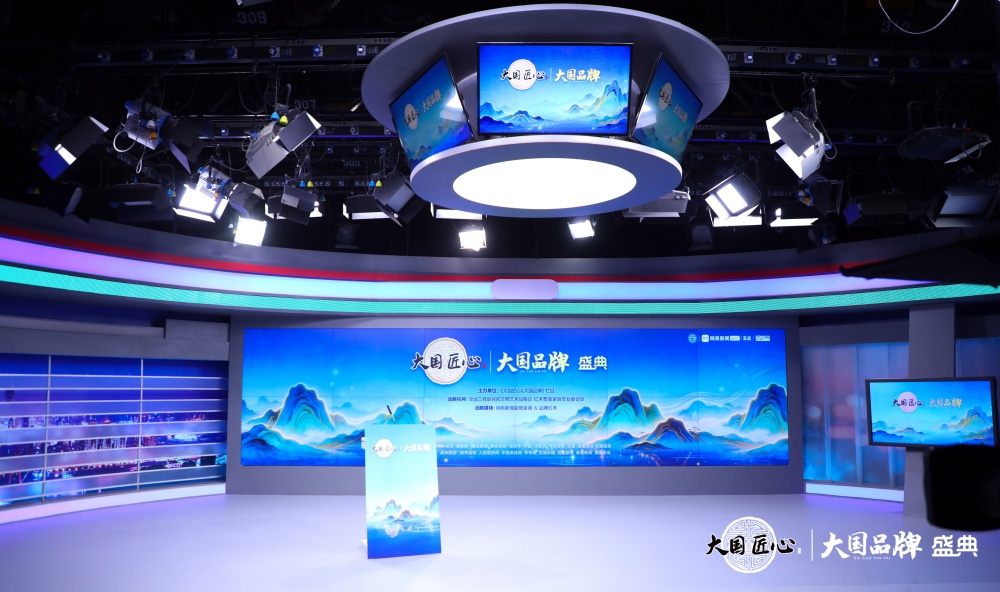
大国品牌盛典在CCTV17央视节目中心盛大启幕
本次活动由《大国匠心&大国品牌》栏目组主办,获全国工商联民间文物艺术品商会、全国工商联红木整装家具专业委员会鼎力支持,品牌红木、网易新闻家居家具作为联合媒体全程深度报道,活动由中央电视台节目主持人刘小唯担纲主持。
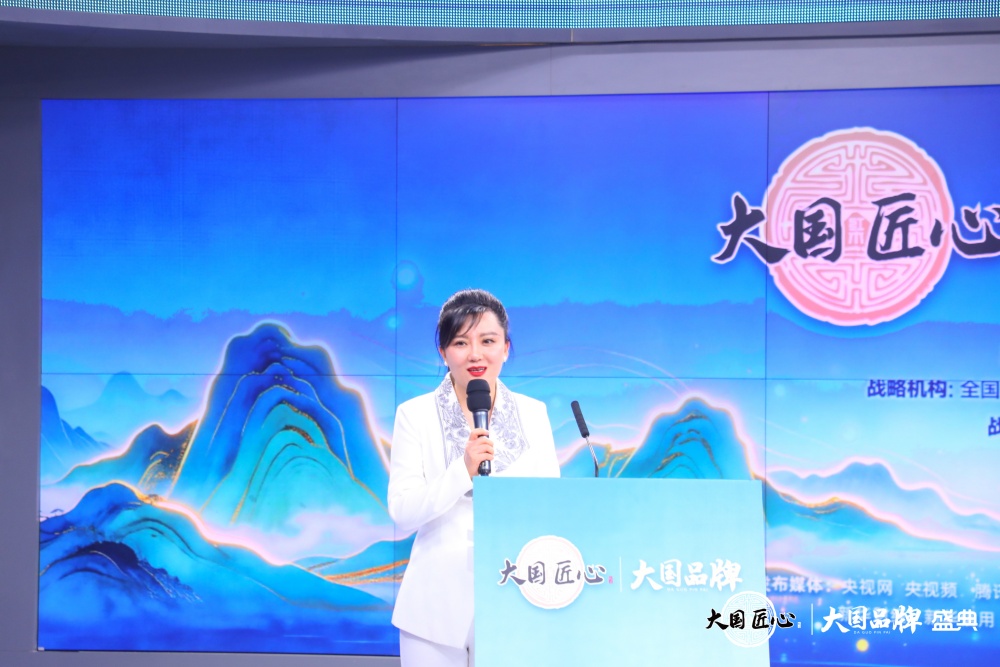
中央电视台节目主持人刘小唯担纲主持
活动以“匠心铸就大国品牌 让世界看见中国家具”为核心主旨,汇聚全国行业领导、权威专家与标杆红木企业领袖,共商红木大国品牌发展大计,致力于提升中国红木品牌的国际话语权与行业影响力,让红木家具成为国潮标杆、国货典范,让中国红木家具深入人心、走向世界。


大国品牌盛典正式启动
重磅嘉宾云集,共襄行业盛举
本次盛会星光熠熠,齐聚行业重磅嘉宾与领军力量。全国政协十一届委员、全国工商联原副主席程路,全国工商联红木整装家具专委会专家顾问、故宫博物院文保科技部原主任曹静楼,全国工商联红木整装家具专委会主席团主席——巧夺天工红木董事长张爱冬,东阳市木雕家居产业协会轮值会长、李忠信红木董事长李忠信,中山红古轩创始人吴赤宇,浙江卓木王总裁杜长江,浙江年年红金典品牌总经理陈筱英,古森红木总经理吴建宇,全国工商联红木整装家具专业委员会执行会长、网易新闻家居家具负责人、品牌红木创始人CEO林伟华等业界精英齐聚一堂,共同见证中国红木行业品牌发展的里程碑时刻。
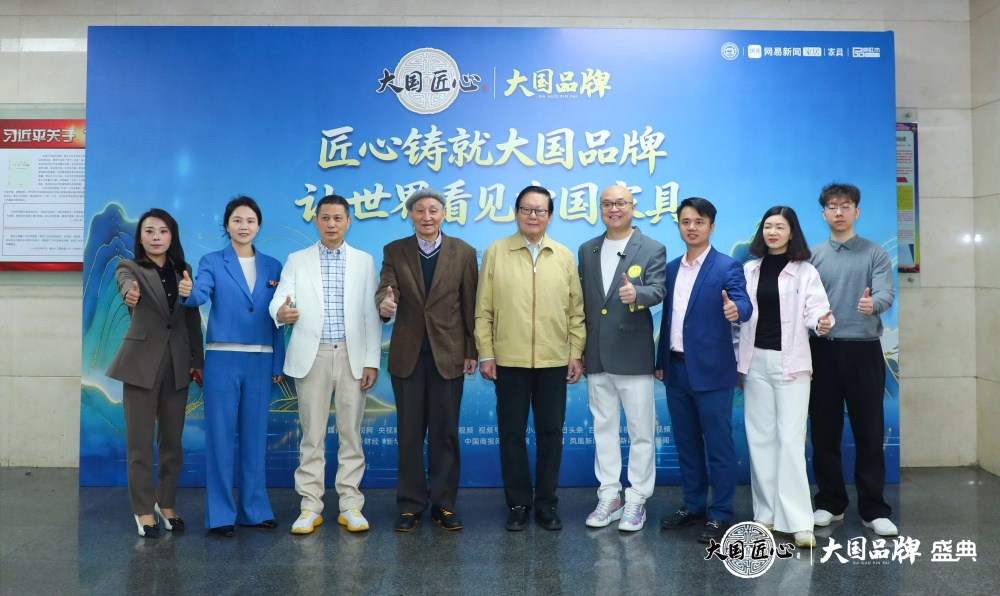
全国政协十一届委员、全国工商联原副主席程路(右五),故宫博物院文保科技部原主任曹静楼(左四),全国工商联红木整装家具专业委员会执行会长、网易新闻家居家具负责人、品牌红木创始人CEO林伟华(右三)与大国品牌企业代表合影留念
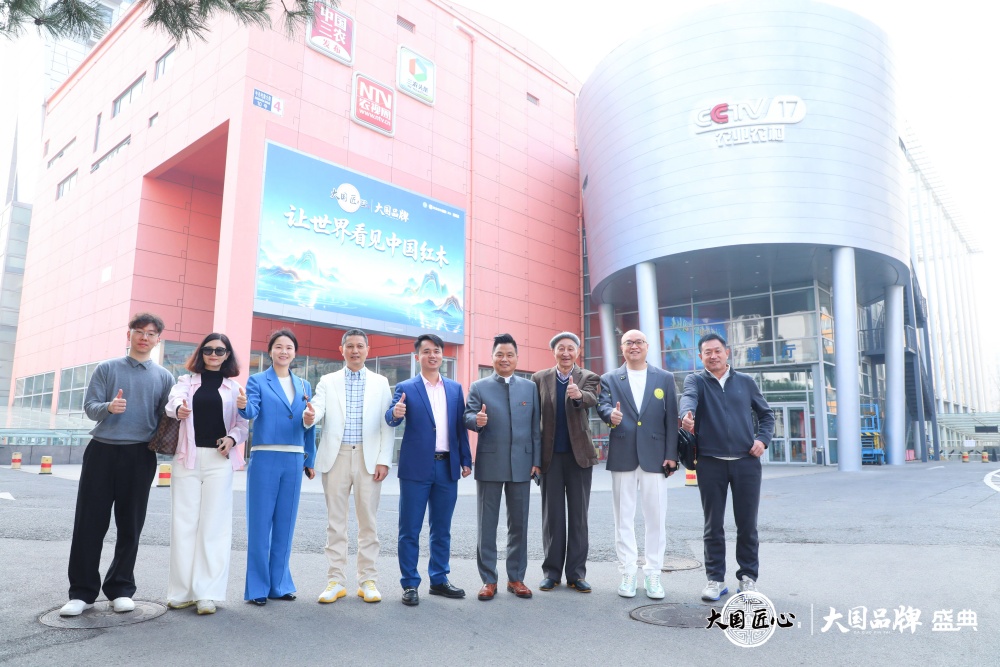
故宫博物院文保科技部原主任曹静楼(右三),全国工商联红木整装家具专业委员会执行会长、网易新闻家居家具负责人、品牌红木创始人CEO林伟华(左五)与大国品牌企业代表合影留念
权威发声,共话行业未来新图景
活动伊始,全国政协十一届委员、全国工商联原副主席程路带来题为《以红木为媒·铸品牌之魂——共筑有文化特色的大国品牌》的主旨分享。他强调,坚守文化根脉与品质初心,凝聚行业协同合力,以红木为载体传承中华文脉、锻造品牌灵魂,定能推动红木行业高质量发展,培育一批具备国际影响力的红木大国品牌,让红木国货之光闪耀大国品牌阵营,让中华优秀传统文化借由木作载体走向更广阔的世界舞台。
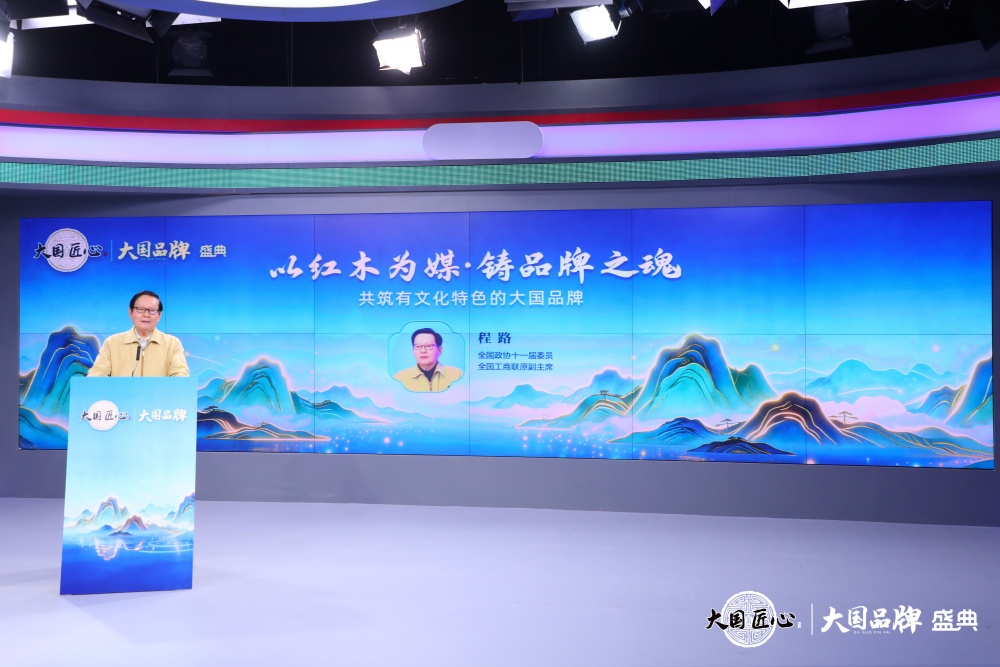
全国政协十一届委员、全国工商联原副主席程路以《以红木为媒·铸品牌之魂——共筑有文化特色的大国品牌》为题作分享
随后,全国工商联红木整装家具专业委员会执行会长、网易新闻家居家具负责人、品牌红木创始人CEO林伟华发表《大国红木IP进化,让世界看见中国红木》主题演讲。他指出,大国红木IP的迭代升级,是大国品牌抱团引领行业进阶的共同使命。以本次大国品牌盛典为全新起点,聚力同心完成大国红木IP革新,让世界看见中国家具的匠心与气度。

全国工商联红木整装家具专业委员会执行会长、网易新闻家居家具负责人、品牌红木创始人CEO林伟华发表《大国红木IP进化,让世界看见中国红木》主题演讲
6家大国品牌齐亮相 启新程话匠心
巧夺天工红木、李忠信红木、卓木王、红古轩、年年红金典、古森红木等6家大国品牌标杆企业,相继举办2026大国品牌发布与深度访谈。各企业领袖、代表重磅发布品牌全新战略布局、产品创新成果与未来发展蓝图,以大国品牌之担当,彰显中国红木行业坚守匠心传承、聚力品牌升级的坚定信念与时代作为。
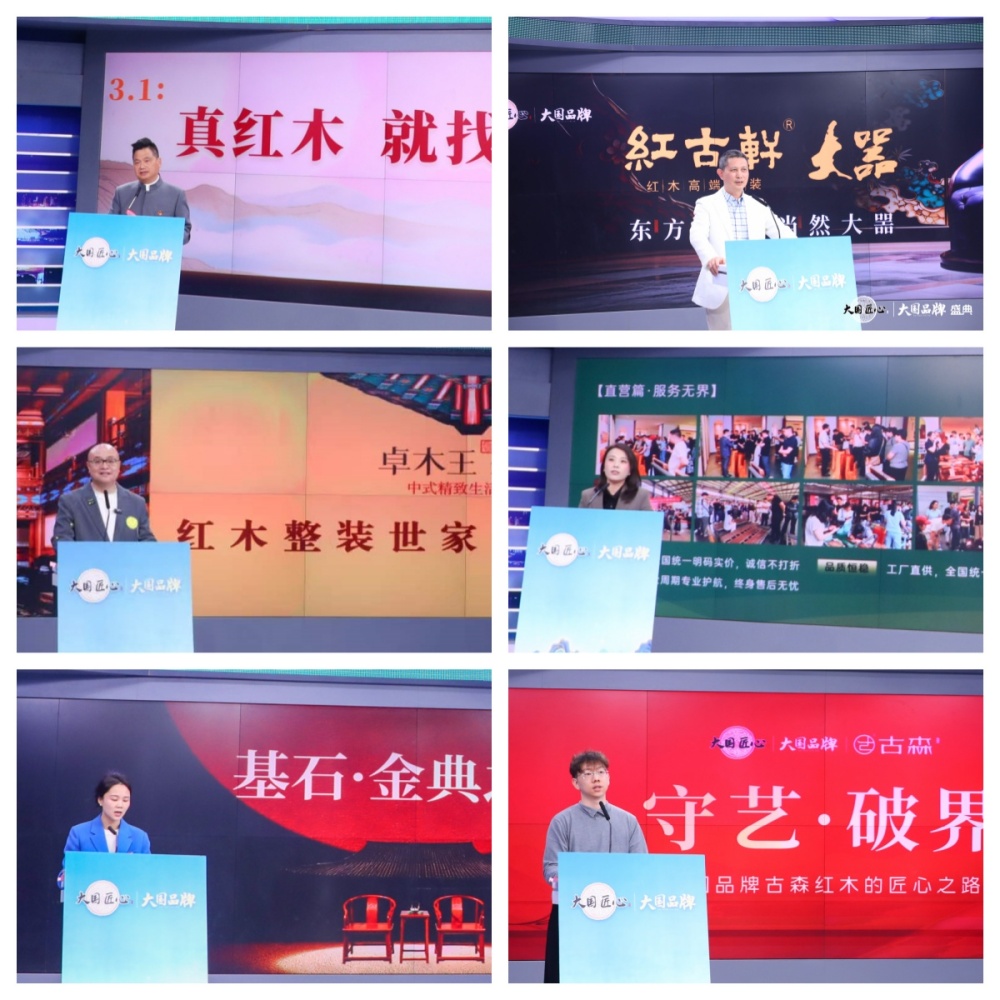
六家大国品牌标杆企业相继举办2026大国品牌发布
中央电视台节目主持人刘小唯与红木大国品牌领军人物展开巅峰对话,嘉宾围绕“匠心传承与创新发展”“品牌建设与市场开拓”“红木大国品牌之路”等核心议题,分享前沿理念与实战经验。各方达成高度共识:坚守匠心为立业根基,创新驱动为发展源泉,唯有深度融合传统工艺与现代设计、智能制造,持续锻造核心竞争力,以大国担当引领行业高质量发展,方能在全球市场中屹立潮头,让中国红木家具品牌享誉世界。

中央电视台节目主持人刘小唯分别与巧夺天工红木董事长张爱冬、李忠信红木董事长李忠信、卓木王总裁杜长江、红古轩品牌创始人吴赤宇、年年红金典品牌总经理陈筱英、古森红木总经理吴建宇展开对话
此次大国品牌盛典的圆满举办,不仅为中国红木行业搭建起交流合作、共谋发展的高端平台,更凝聚行业共识、明晰发展航向。与会嘉宾一致表示,将以本次盛会为契机,坚守匠心精神,深化品牌建设,推动中国红木产业向高质量、品牌化、国际化方向纵深发展,共同书写中国家具品牌的辉煌新篇,让世界真切领略中国家具的文化底蕴与硬核实力。
展望未来,在全行业同仁的同心聚力下,中国红木品牌必将在全球市场绽放更为璀璨的光芒,书写中国红木家具的时代传奇。
(来源:品牌红木网 张星/撰稿)
" alt="匠心铸就大国品牌 让世界看见中国家具——大国品牌盛典在京圆满举行">匠心铸就大国品牌 让世界看见中国家具——大国品牌盛典在京圆满举行
蘇沃羅沃
神宮寺站
佩韦勒地区艾克斯
发布时间:2026-03-25 14:56:23来源:逗游作者:星空
 无限轮回冒险逃脱冒险生存民俗恐怖
- 游戏类别:冒险解谜
- 游戏大小:790.51M
- 游戏语言:简体中文
- 游戏版本:v1.105
在无限轮回游戏中,天命逆局是一个新推出的玩法,位置在避难所-轮回试炼-天命逆局-诡异复苏,部分玩家不知道怎么玩,下面就为大家带来无限轮回游戏中天命逆局的玩法介绍说明,有需要的玩家可以参考。
无限轮回天命逆局玩法介绍
为期7天,挑战次数无限次。
地图为关卡2的地图,主要玩法就是局内击杀40个怪物只会会有概率爆出5个诡异碎片,但是并不是100%出现,具体概率可以看左上角。越后的关卡爆率越高但是难度也越大。初步测试第10关类似车站3的难度。所以尽力而为,建议刷第8和第9关。

等我们凑齐75个碎片只会就可以兑换一个称号,此称号只是个称呼无任何加成。这个称号全服限定300个,先兑换先得到,不兑换也没事反正没有加成。
在局内击杀40个怪物之后会在地图中出现5个树,探索完这5个树就可以获得诡异碎片。血月满了之后会出现boss,击杀boss可以出现撤离点,撤离成功就可以带出这5个诡异碎片。
总体玩法如上,基本上一把要5分钟,除了第10关都不是100%爆,小编打第9关90概率竟然4次没爆,非酋无疑了。要想获得这个称号,时间成本基本上是在1个小时以上,大家做好准备就行。

为期7天之后,估计会换个模式,这次模式叫做诡异复苏,给的奖励是称号天命者。所以7天之后可能又会有新模式换个名字换个称号奖励。
" alt="无限轮回天命逆局玩法介绍说明">无限轮回天命逆局玩法介绍说明
" alt="貝洛格拉奇克">
貝洛格拉奇克
巴尚
国民代表会议
热门文章
 (资料图)
(资料图)几十幅作品映入眼帘,半个世纪前坦赞铁路呼啸而过时的风仿佛再次吹回了这里。熙熙攘攘的人群中,一位老人突然停住脚步。他叫索罗蒙·姆瓦卡桑加,今年73岁,1970年参加坦赞铁路建设工作,几乎把一生都交给了这条钢铁大动脉。
11月26日,在坦桑尼亚达累斯萨拉姆,坦赞铁路退休职工索罗蒙·姆瓦卡桑加在“同路朋友——坦赞铁路采风绘画展”上认出画中的自己。新华社发(赫尔曼·埃马纽埃尔摄)
我跟着他的脚步,在不同的记忆画面间穿梭。
老照片展区,姆瓦卡桑加指着中国工人和坦桑工人一起工作和生活的照片,轻声说:“中国兄弟们不要求特殊照顾,我们吃一样的清汤和玉米糊,住在同样的工地里。”
说这句话时,他的声音里似乎有一种淡淡的骄傲——那是属于亲历者的、无人能替代的情感。
在另一幅表现中坦工人合力铺轨的画作前,他突然笑了:“你看这个动作——那是我们当年发明的‘铁路语言’。”他说,中坦工人当年语言不通,为了安全,大家用斯瓦希里语加中文的混合手势来指挥施工,“喊一句、比一下”,增加干劲,还能减少风险。
老人抬手指向另一幅画——画中的几个坦桑工人站在“东方红”机车旁,笑容爽朗。姆瓦卡桑加看着画里的人,眼眶微微泛红。这时,又有几位老工人靠了过来,彼此交换着只有他们听得懂的回忆。
这是11月26日在坦桑尼亚达累斯萨拉姆拍摄的“同路朋友——坦赞铁路采风绘画展”开幕式。新华社发(赫尔曼·埃马纽埃尔摄)
人群另一侧,50岁的坦桑尼亚艺术家弗雷德·哈拉站在自己的作品前。他在铁路旁长大,对轨道的金属光泽和车站的喧哗再熟悉不过。画里的铁路在暮色下延伸,线条刚劲。他说,每一幅画都是时代的见证,“一条铁路连接了国家,也连接了人”。
坦桑尼亚女大学生萨洛梅在一幅画前驻足良久。画面描绘的是经过村庄的客车车厢,孩子们追着火车跑,笑得灿烂。她轻轻说:“我父亲小时候就是这样跑着看火车的。”她举起手机拍下画面,随后又站了好一会儿,像是把那段未曾亲历却深深感到的记忆放进心里。
策展人、来自中国国家博物馆的谭斐说,展厅从灯光角度到墙体色彩再到叙事动线,都经过反复推敲:“我们希望观众不仅是看展,而是走进历史。”她指着墙上一张张中国工人和坦桑尼亚工人一起生活和工作的照片说:“这是坦赞铁路精神最真实的部分。”
坦桑尼亚自然资源和旅游部长阿莎图·卡奇万巴·基贾吉把展厅称为“一间活着的教室”。她说,坦赞铁路不仅改变了坦赞两国的命运,也记录了非中人民共同面对困难时的勇气。
中国驻坦桑尼亚大使陈明健动情地说,在坦赞寻求建铁路的年代,虽然当时的中国还不富裕,却毅然伸出援手,派出了五万余名工程师和技术人员。建成50年来,坦赞铁路始终是中非友谊的丰碑。
11月26日,在坦桑尼亚达累斯萨拉姆,坦赞铁路退休职工在“同路朋友——坦赞铁路采风绘画展”上合影。新华社发(赫尔曼·埃马纽埃尔摄)
铸成这座友谊丰碑的,是许多把生命留在这片土地的中国工人,是第一次坐上火车回乡的赞比亚人,是那些在山谷里架桥、在原始森林里铺轨的劳动者。他们没有站上过受人瞩目的历史舞台,但却共同标注了浓墨重彩的历史印记。
走出展厅时,夜幕已经完全落下。博物馆外,树影在灯光下被拉得很长,像铁轨一样延伸向远处。回头望去,展厅里仍灯火通明,老工人站在画前,年轻人站在他们身后,不同的时代仿佛在同一束光下重叠。
半个多世纪前,中坦赞三国的建设者在山谷与密林中合力铺就这条铁路;半个多世纪后,又有新的中非同行者在这座展厅里重新把这段记忆点亮、传递。
离开展厅时,姆瓦卡桑加坐在一张长椅上,手里攥着展览册子。他告诉我,这些画让他再次相信,“坦赞铁路的故事,还远远没有讲完”。
标签: [db:关键词]
" alt="记者手记丨“坦赞铁路的故事,还远远没有讲完”">记者手记丨“坦赞铁路的故事,还远远没有讲完”
2026-06-06 16:18" alt="约瑟夫·张伯伦">
约瑟夫·张伯伦
2026-06-06 16:03布莱库尔
2026-06-06 15:59似鳚鏢鱸
2026-06-06 15:22
截至目前,京运达通已采购15台SE636,车辆运营数据表现突出:平均电耗稳定在1.01-1.05kWh/km,日均行驶里程450-480km,主要承担顺丰、京东、邮政及云南云聚的快递运输任务。

作为行业首款快递快运专属电动重卡,SE636精准匹配京运达通的运营需求。针对云贵山区复杂路况,车辆搭载双电机,870马力动力充足;636kWh电池容量可满足贵阳至重庆往返无需中途补能,适配固定充电站补给模式,大幅提升运营效率。

SE636能实现极致电耗控制,离不开京运达通的科学运营。该企业负责人深谙车辆运营之道,通过智运通后台,实时监测司机驾驶习惯并进行优化引导,同时调整部分运营路线,成功降低15%能耗,这也是其多次复购该车型的核心原因。
![]()
目前,京运达通运营场景中SE636的智驾使用率已达30%。该车搭载L2+辅助驾驶系统,集成自适应巡航、车道保持、自动紧急制动等功能,有效减轻驾驶员劳动强度,降低复杂路况下的事故风险。三一技术研究院陈爱军多次赴贵州,协助客户规划最优路线、开展智驾功能培训。
![]()
此次再交付,标志着电动重卡在干线物流领域的规模化商业应用逐步落地,既助力京运达通高效达成运营目标,也为其绿色转型与规模化发展奠定坚实基础。
" alt="三一重工:SE636再交付京运达通!每公里1度电、智驾30%,运营数据亮眼">三一重工:SE636再交付京运达通!每公里1度电、智驾30%,运营数据亮眼
2026-06-06 15:14昂格勒方丹
2026-06-06 15:12巴依拉姆·楚里城
2026-06-06 15:07西镇站
2026-06-06 14:53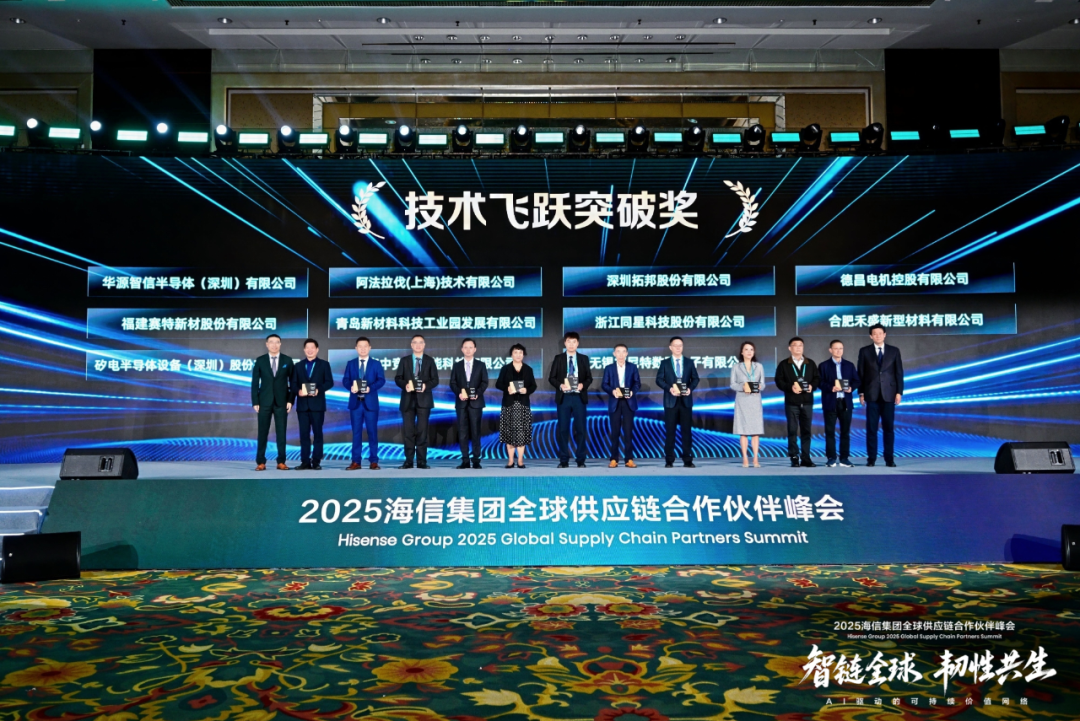
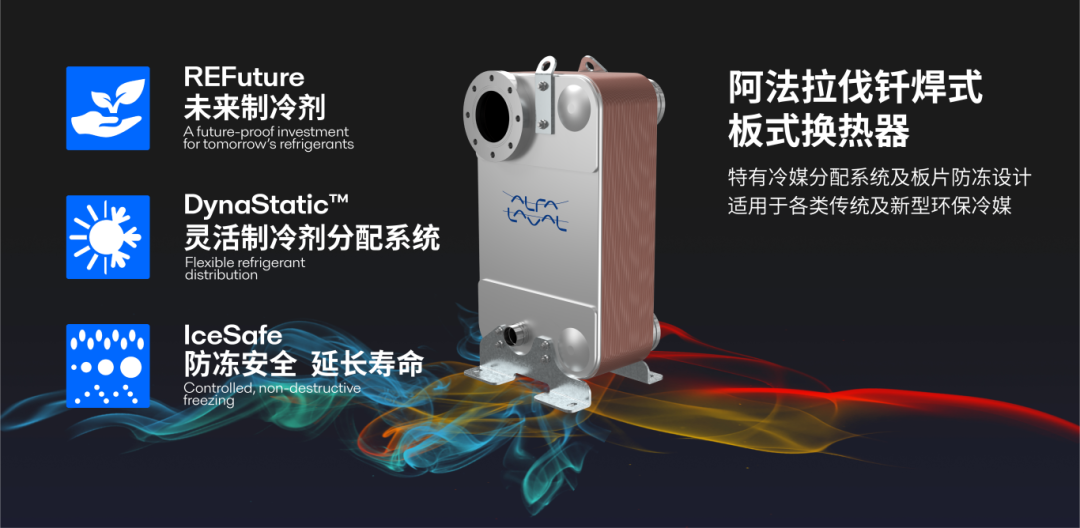
热泵作为能源能效提升和电气化的重要抓手,能高效回收低品位余热并提温再利用,广泛服务于建筑暖通、工业工艺加温等场景,而将热泵的能效潜力转化为稳定可靠的热量产出,核心关键在于先进的换热设备与解决方案。阿法拉伐凭借多年换热技术积淀,创新研发阿法拉伐热泵专用紧凑型板式换热器,可高效回收工业生产废热、数据中心废热,亦可利用河水、海水、地下水、空气等自然界低品位热源转化为高品位热能,从设备端为热泵系统的高效运行筑牢基础。同时阿法拉伐还可携手全球领先安装商与系统伙伴,为客户提供标准化与定制化双重换热方案,全方位实现能效提升与余热利用,助力各行业稳步迈向绿色发展未来。

在工业热泵应用领域,阿法拉伐换热设备已在全球多个标杆项目中落地验证,用实际案例彰显产品实力与技术可靠性。阿法拉伐瑞典隆德工厂的氨热泵系统搭载阿法拉伐半焊式板式换热器,高效回收生产过程中的低温废热,自 2013 年起稳定运行,全面满足工厂生产及当地办公区域的全部供暖和热水需求;阿法拉伐为丹麦欧登塞数据中心热泵系统量身打造蒸发器、冷凝器、过冷却器和油冷却器等核心换热设备,助力该数据中心每年回收 100,000MWh 能源,热量足以满足约 7,000 户家庭的供暖需求;阿法拉伐半焊接与钎焊板式换热器应用于 BEW 热电联产工厂冷却端热泵系统,以 R1233zd (E) 为工质高效回收废热并输入区域热网,成功实现电、热、冷三联供与能源梯级利用的一体化落地;阿法拉伐半焊板式换热器还部署于 Felleskjøpet 农业公司热泵系统,以 R717 为工质回收 41°C 空气废热,通过冷凝器直接产生 85℃低压蒸汽,经水蒸气压缩后得到 120℃饱和蒸汽,单机可输出 1.4–1.8MWt 热量、制取 2t/h 饱和蒸汽,系统 COP>3,整体能效提升 67%,为农业生产提供高效绿色热源。
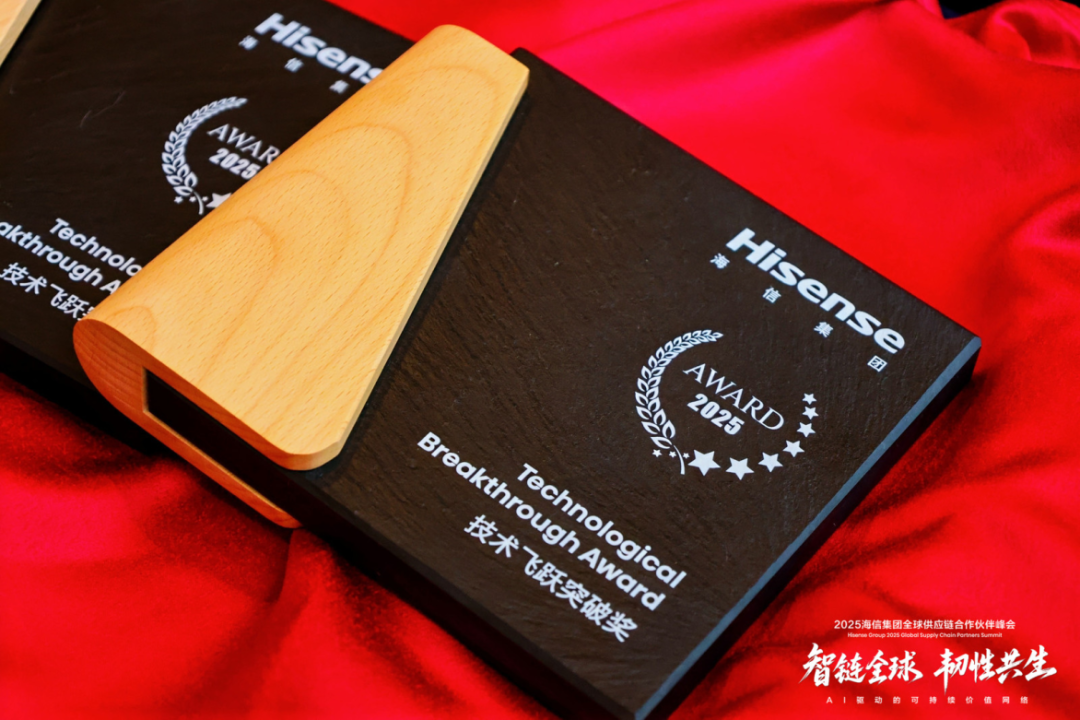
在民用热泵市场,中国热泵行业正迎来高速发展期,能效升级与低碳采暖成为明确发展方向,阿法拉伐ssss凭借核心换热技术的创新突破与产品的卓越品质,成为头部家电企业的重要战略合作伙伴,更是收获了行业权威认可。在海信 2025 全球供应链合作伙伴峰会中,阿法拉伐作为海信长期战略合作伙伴,凭借在热泵型空调中的技术创新和前沿换热解决方案,荣获 “技术飞跃突破奖”,该奖项专用于表彰以颠覆性创新或深度联合研发,助力海信攻克关键技术瓶颈、创造显著技术价值的核心伙伴。其中海信红焰 III 空气源热泵型空调搭载阿法拉伐AC 系列钎焊板式换热器作为冷凝器 / 蒸发器,实现 - 35℃极寒环境下稳定制热、58℃高温环境下高效制冷,尤其适配北方极寒地区采暖需求,更以高性能与节能降耗的优异表现,助力海信热泵整机实现全系 1 级能效配置,成为热泵行业的标杆产品。
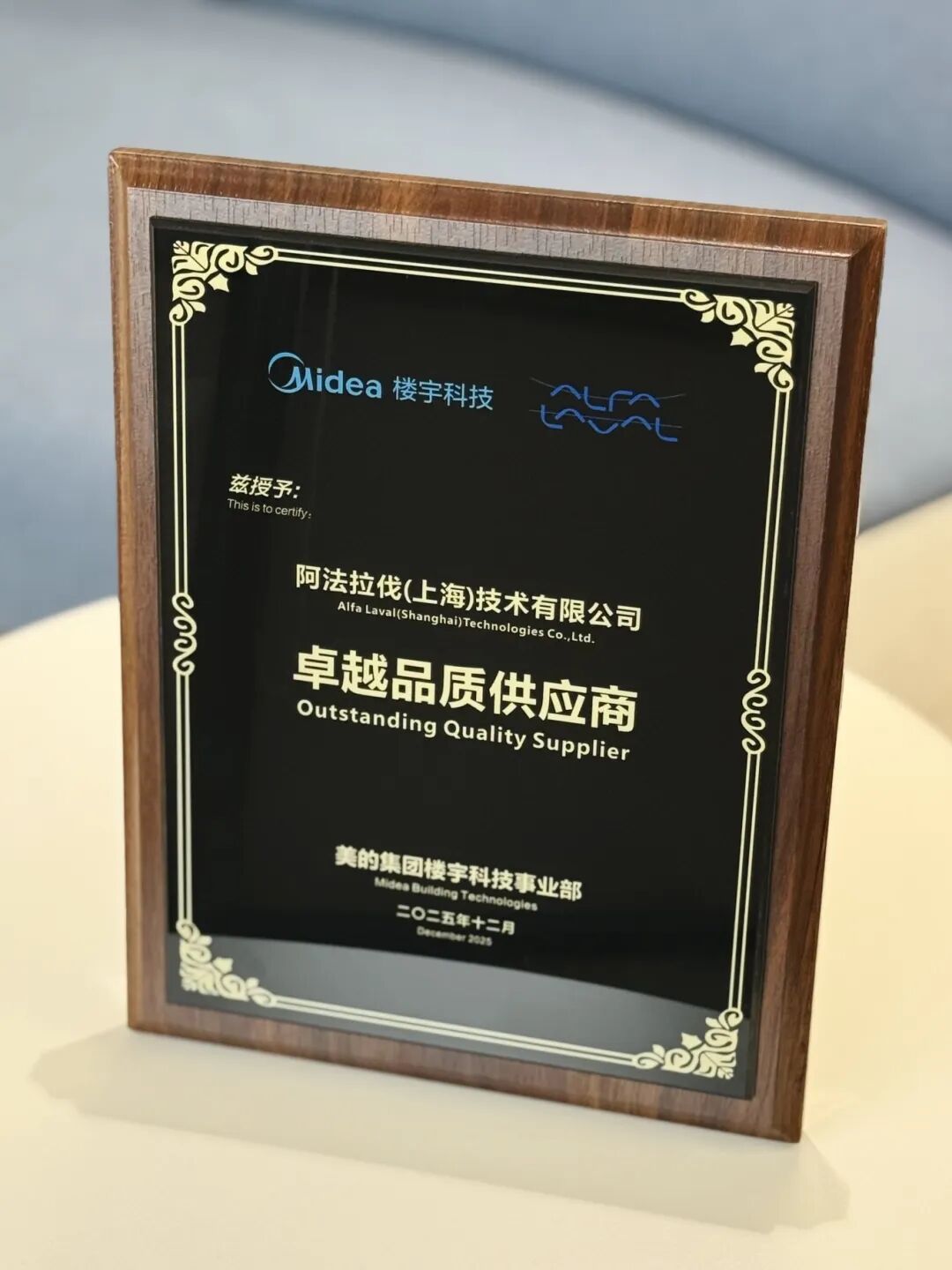
与此同时,阿法拉伐与美的集团保持多年深度合作,始终以高标准、一致性的产品质量与专业完善的技术服务,持续支持美的在国内外热泵及空调领域的产品升级与能效提升,凭借稳定的产品表现与优质的配套服务,斩获美的集团 “卓越品质供应商” 称号,成为美的热泵产业链的核心供应商。为进一步匹配中国热泵市场的快速发展需求,2025 年阿法拉伐江阴工厂全新钎焊板式换热器厂房正式落成,本土生产服务能力得到全面增强,将为中国热泵市场交付更多高品质、高适配性的换热设备,持续为行业发展注入核心动能。
从工业领域的多场景余热回收利用,到民用市场的头部品牌深度合作与权威奖项认可,阿法拉伐始终以领先的换热技术为核心,打造了覆盖工业供热、数据中心、农业生产、民用空调热泵等多领域的热泵换热解决方案,充分验证了阿法拉伐热泵专用换热设备的可靠性、高效性与场景适配性。在 “双碳” 目标与能源转型的大背景下,阿法拉伐将持续深耕热泵换热技术研发,依托强大的本土生产能力与全球化的技术积淀,为更多行业客户提供定制化、一体化的热泵换热解决方案,助力热泵行业实现更高质量的发展,推动全产业链的能效升级与绿色转型。想要了解更多阿法拉伐的热泵相关产品与各行业应用案例,可前往阿法拉伐官网查询详情。
" alt="阿法拉伐热泵换热技术领跑行业 获海信美的权威认可 + 多场景落地赋能绿色工业">阿法拉伐热泵换热技术领跑行业 获海信美的权威认可 + 多场景落地赋能绿色工业
2026-06-06 14:47博瓦-昂康布雷西
2026-06-06 14:45廣州地鐵三號線列車
2026-06-06 14:43波爾斯基特倫貝什
2026-06-06 14:12

